The OSCE for the Physiotherapy Degree 2026 tests the clinical skills of students at ASCUMH
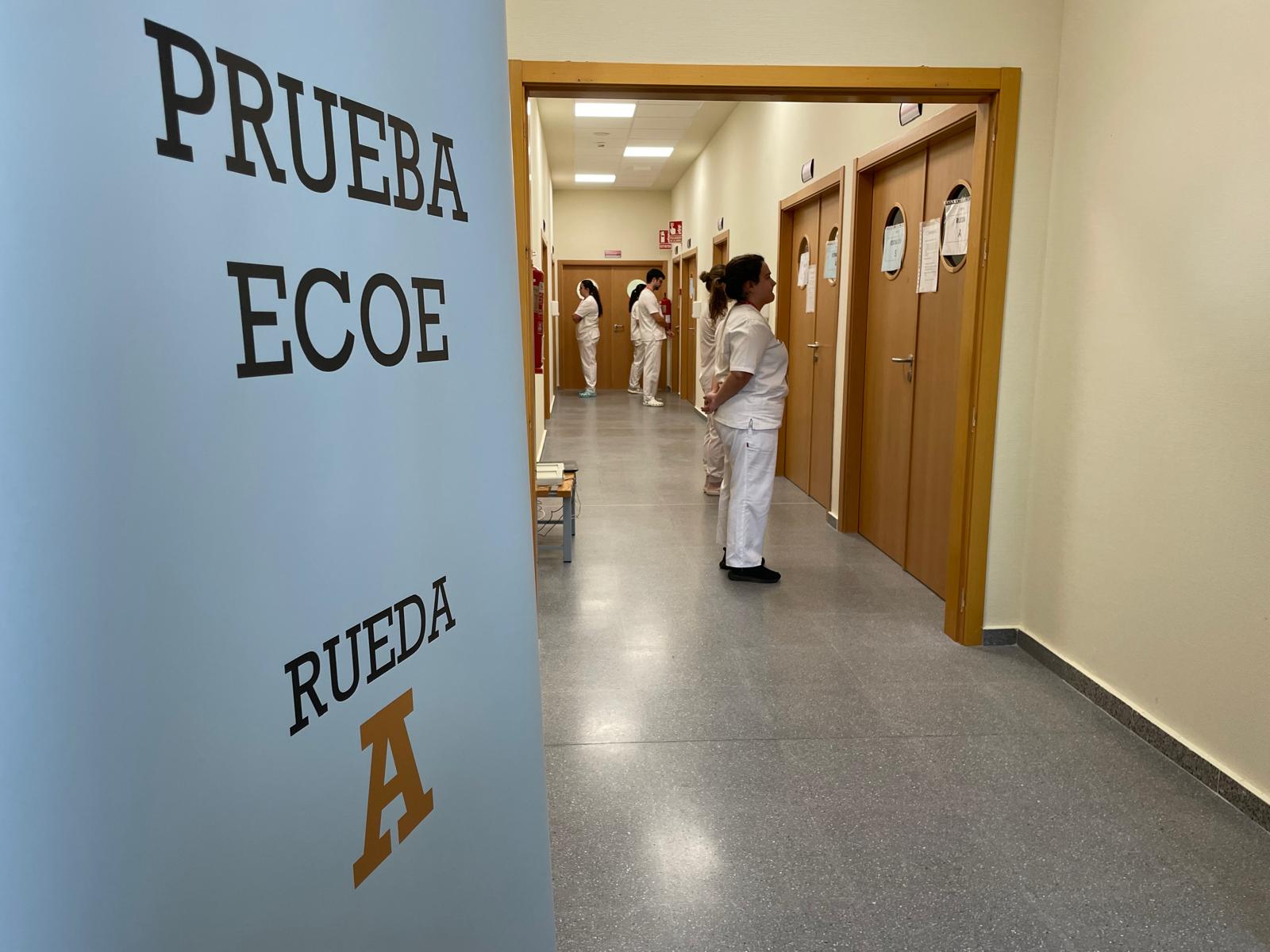
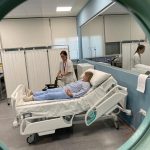
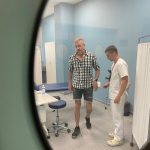
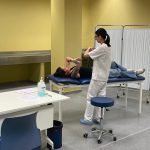
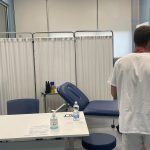
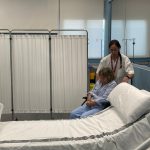
This week, the Miguel Hernández University hosted another edition of the Objective Structured Clinical Examination (OSCE) for the Physiotherapy Degree , a crucial test for evaluating the clinical skills of final-year students before they complete their university studies. The examination took place in the classrooms of the Severo Ochoa building and in the new facilities of the UMH Clinical Simulation Area (ASCUMH), located on the first floor of the same building.
The OSCE is a widely implemented evaluation methodology in Health Sciences degrees, based on simulated clinical scenarios that allow the assessment of technical skills, clinical reasoning, communication and decision-making ability in contexts close to real professional practice.
The first session took place on Tuesday, May 19, from 9:00 a.m. to 12:00 p.m., in rooms 0.1 and 0.4 of the Severo Ochoa building. During this session, students completed the five written sections of the exam using the Moodle platform, in a simultaneous, digital format. The technical support of the Innovation and Technological Planning Service (SIPT ) was essential for the successful completion of this phase , ensuring the proper functioning of the computer systems and the technological coordination of the assessment.
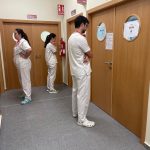
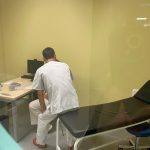
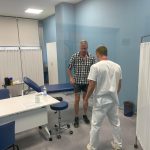
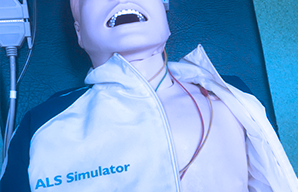
The second day was held on Thursday, May 21st, in the morning and afternoon, at the new ASCUMH facilities. Throughout the day, two rounds of five dynamic stations were conducted, where a total of 101 students tackled different simulated clinical cases related to various areas of physiotherapy. Each station allowed for the evaluation of specific skills in a practical and structured environment, using standardized patients and specialized evaluators.
Organizing an OSCE involves a significant coordinated effort from over 40 people, including faculty, SATDI technical staff , evaluators, and simulated patients. This assessment model allows for an objective and consistent evaluation of students’ clinical performance, establishing itself as a key tool in simulation-based healthcare training.
Furthermore, this edition of the test has also provided an opportunity to continue consolidating the new ASCUMH facilities as a benchmark space for clinical simulation and teaching innovation at UMH, promoting increasingly realistic learning environments focused on the competency development of future healthcare personnel.